The Must-See Places in Provence We’d Prioritise

From the streets of Aix-en-Provence and the limestone slopes of Sainte-Victoire to Marseille’s Mediterranean energy, the Luberon villages and the vineyards above Cassis, Provence changes surprisingly fast from one area to another. These are the must-see places in Provence we would prioritise, from the perspective of locals who know the region well and spend a good part of their lives on its roads.
Aix-en-Provence for its markets, architecture and Provençal life

Aix-en-Provence is probably the place we know best at La Belle Échappée, and it fully deserves its place among Provence’s must-see towns. Compact, elegant and largely pedestrian, it is easy to explore on foot. In addition to gorgeous façades and fountains, if you look a little closer, you’ll start spotting carved doors, hidden courtyards, old symbols and small architectural details that are easy to walk straight past.
Morning is when Aix feels most alive, especially if you want to discover Provençal food and local specialties. Place Richelme hosts a food market every day, while on Tuesdays, Thursdays and Saturdays, markets spread further through the historic centre. This is the time to taste olives, local goat cheese, honey, seasonal fruit and, of course, a calisson, the almond-and-candied-melon sweet closely tied to Aix since the 15th century.
The Route Cézanne to Sainte-Victoire and its vineyards
Once you leave Aix behind, the landscape changes fast, and Sainte-Victoire is one of the places that makes the Aix countryside so special. The mountain famously inspired Cézanne, and it is easy to understand why. The road towards Le Tholonet was later named Route Cézanne, and it is one of the best ways to experience the Provençal countryside: limestone, vineyards, dry-stone walls and umbrella pines, with Sainte-Victoire constantly shifting as you move around it. The road has been protected since 1959, and it is worth driving at different times of day: the light changes, the mountain changes with it, and the view never feels quite the same.
This is also one of the strongest wine areas around Aix. At the foot of Sainte-Victoire, Château de la Galinière is a good place to experience it first-hand. The estate produces Côtes de Provence and Côtes de Provence Sainte-Victoire wines from organically farmed vineyards, with a style shaped by the dry, limestone soils of the area.
Marseille city: the Mediterranean side of Provence

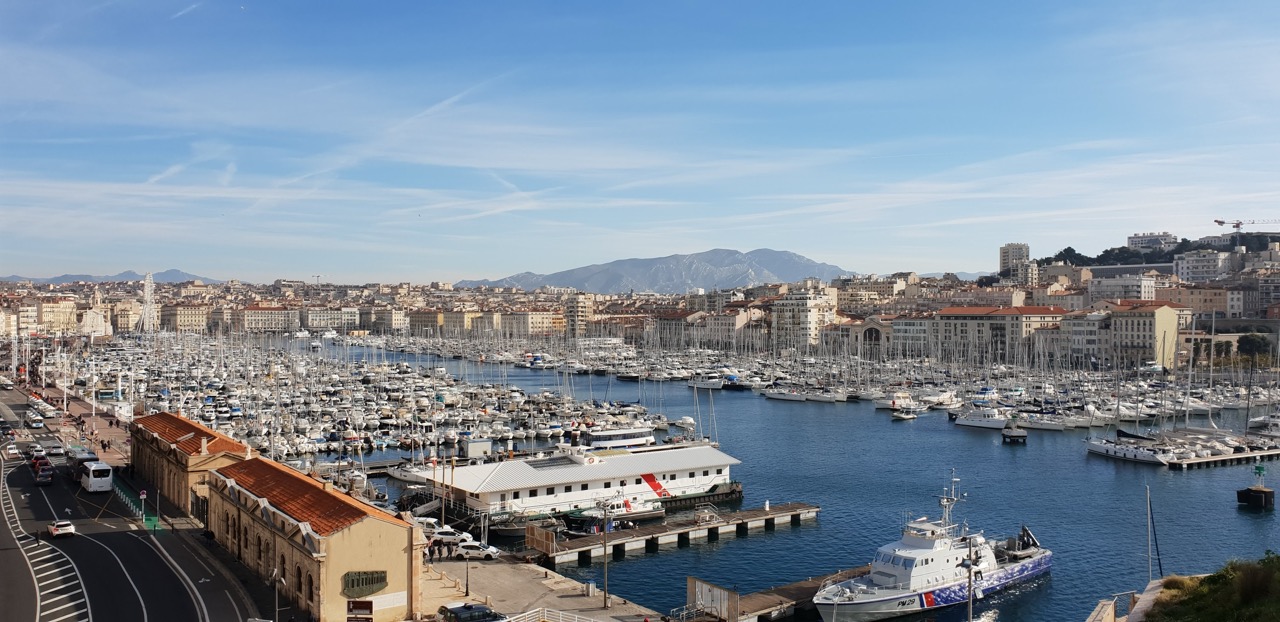
Only around 30 minutes from Aix, Marseille feels like a completely different world. This is not the Provence of quiet villages. Marseille is louder, denser and full of contrasts: a working port, steep neighbourhoods, limestone hills, islands just offshore and a culture shaped as much by the Mediterranean as by the city itself.
What makes Marseille worth spending time in is how quickly the atmosphere changes from one area to another. Around the Vieux-Port, fishermen still bring in the morning catch; a few streets away, Le Panier climbs through narrow, colourful lanes. Around the Mucem and Fort Saint-Jean, old stone and contemporary architecture face the sea, while further along the Corniche, the city opens up towards small coves, seaside neighbourhoods and the road to the Calanques.
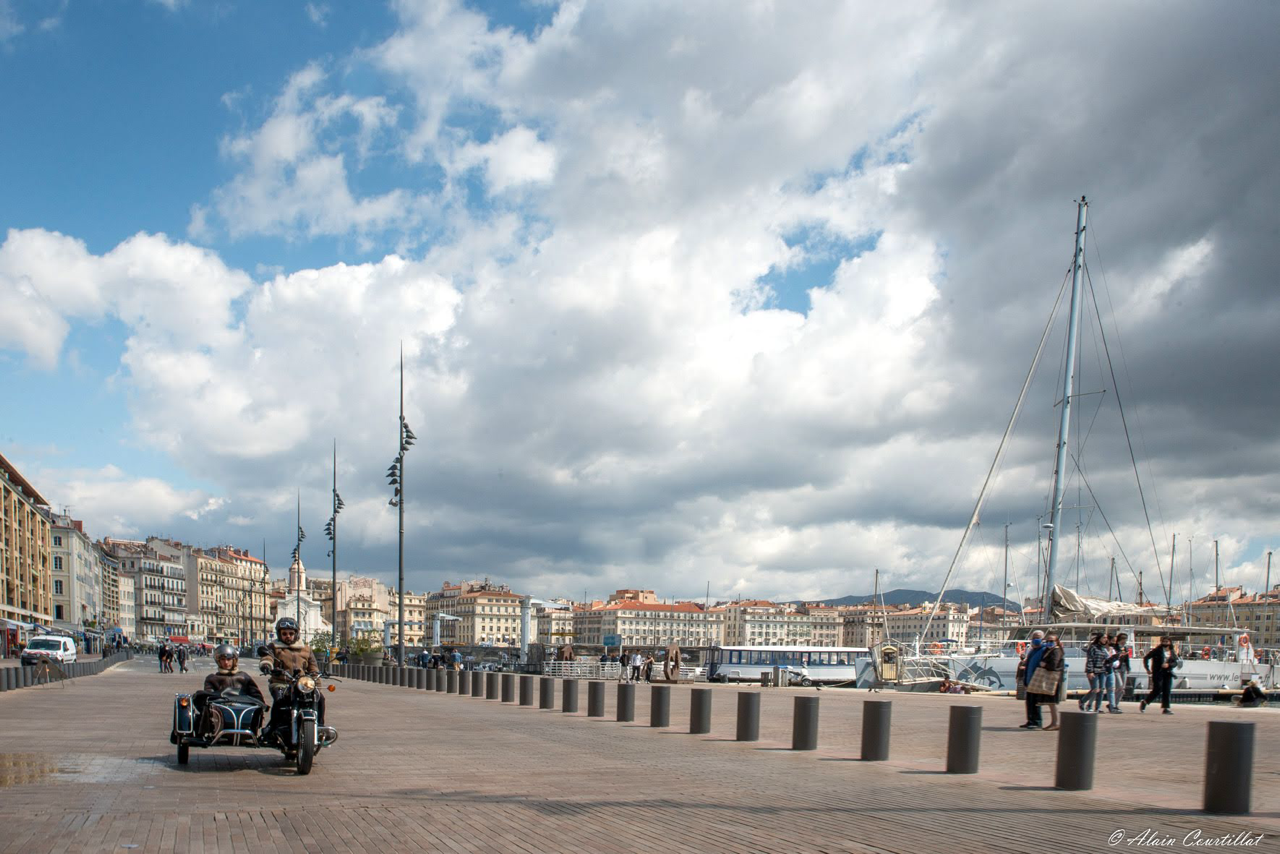
There is a lot to take in, and Marseille is also one of those cities where the way you move matters. If you are looking for unique things to do in Marseille, our side-car tour is a practical way to slip through smaller streets, climb the hills and follow the coast without losing the connection with the city around you.
Cassis and nearby Bandol vineyards

Staying on the Mediterranean side of Provence, Cassis is an easy stop to justify on a must-see list. The village itself is a highlight, with its small harbour, pastel façades, limestone cliffs and the Mediterranean close at hand. From here, the Route des Crêtes runs for around 15 kilometres towards La Ciotat, high above the coast, with views over Cap Canaille, the Calanques and the vineyards below.
Cassis stands out in Provence for its white wines: around 70% of the appellation’s production is white, mainly based on Marsanne and Clairette. A little further west, the Bandol appellation offers a very different expression of Provence, with Mourvèdre at the heart of its more structured reds. One of the estates we regularly visit for a Provence wine tasting is Domaine de La Bégude, set at 427 metres, the highest point of the appellation, surrounded by garrigue and protected land.
Even if wine is not your main interest, this stretch of coast is worth exploring for the way vineyards, limestone and Mediterranean scenery all sit so close together.
The Luberon: villages, vineyards and local producers

Lourmarin, Gordes, Bonnieux, Roussillon... Some of the most beautiful villages in Provence are here in the Luberon. But what we enjoy most at La Belle Échappée is the road between them. The drive through the Combe de Lourmarin, between Lourmarin and the northern side of the massif, is one of our favourites, with limestone cliffs, forest and winding roads before the landscape opens up again towards Bonnieux. Vineyards, olive groves and small producers shape much of the area too, which is why we recommend combining a few villages with stops along the way.
The Luberon is also a wine region in its own right. Château La Verrerie, near Lourmarin, is one of the estates we appreciate, producing AOP Luberon wines in red, white and rosé from vineyards and olive groves on the southern side of the massif.
Lavender fields in Provence
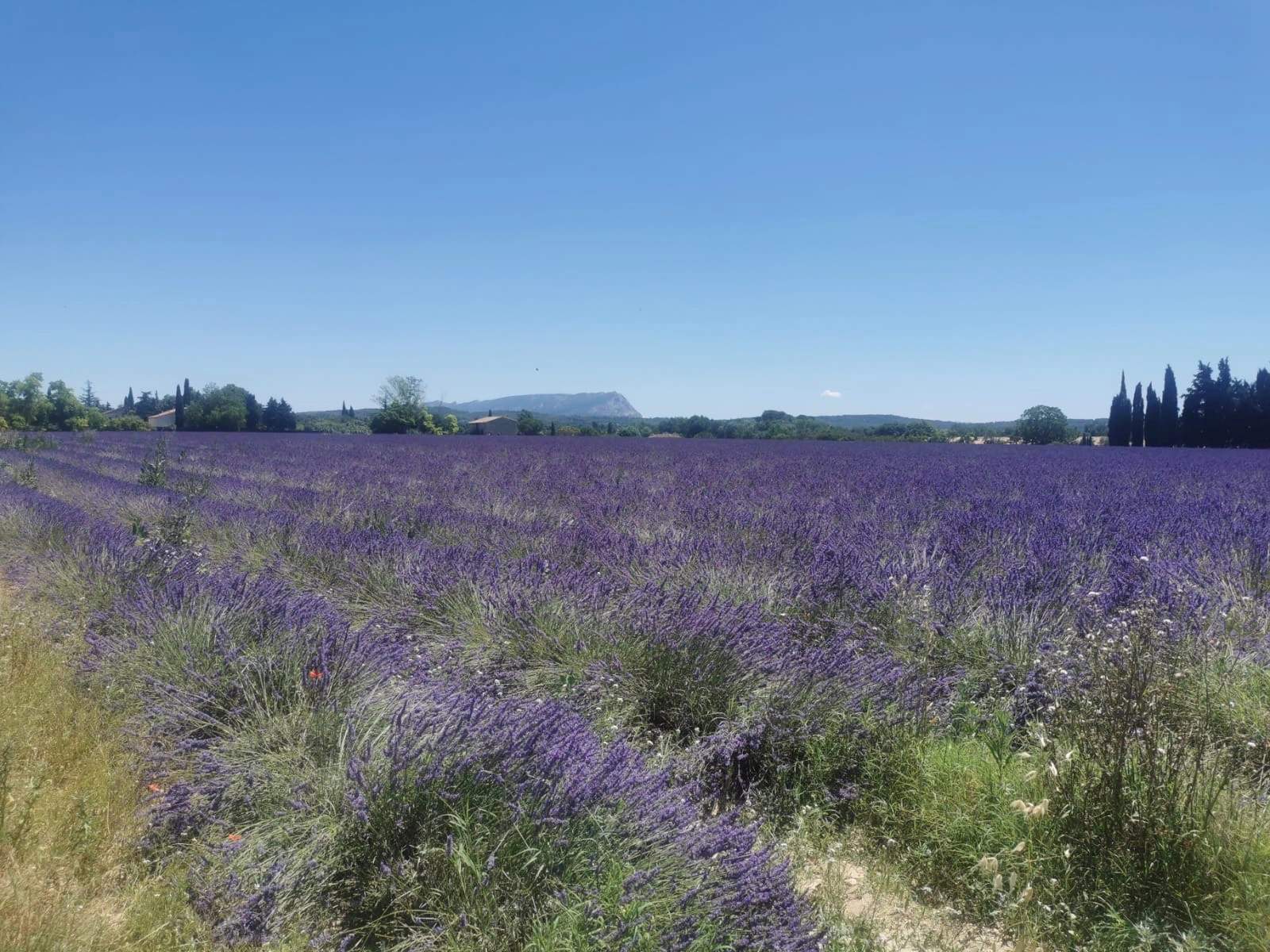
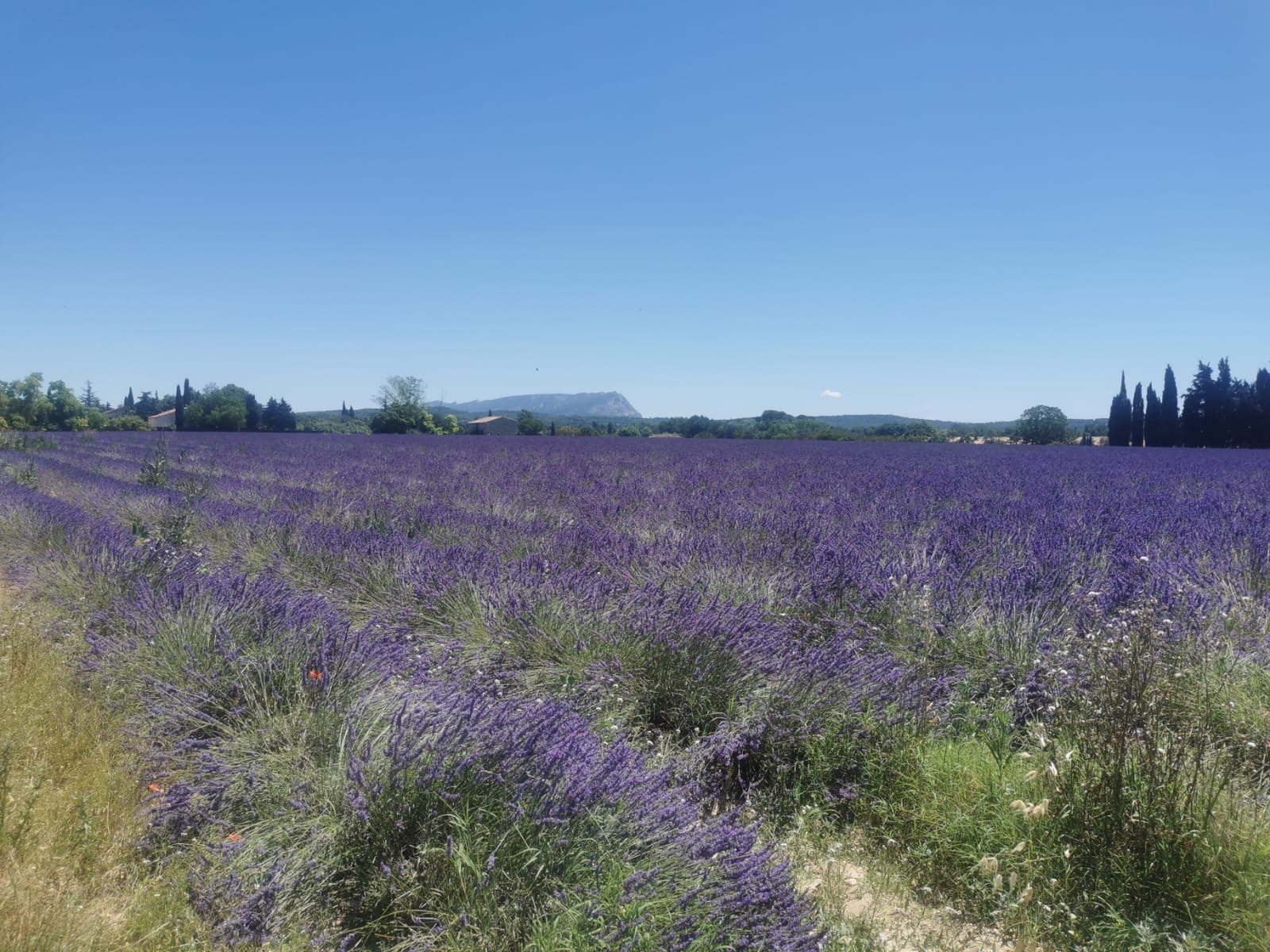
Lavender fields belong on a Provence must-see list if you are travelling at the right time of year. The real questions are when to go and where to see them. The first purple tones usually appear in June, with the best displays from late June through July. Valensole is the obvious choice for the full-scale lavender landscape, but smaller fields and estates can be found in other parts of Provence too.
One place we regularly visit is Terre Ugo, a family estate just outside Aix with around 45,000 lavender plants. Unlike many fields harvested in July, its lavender is kept until late August, which makes it a useful option for visitors arriving later in the summer.
Les Baux-de-Provence and the Alpilles
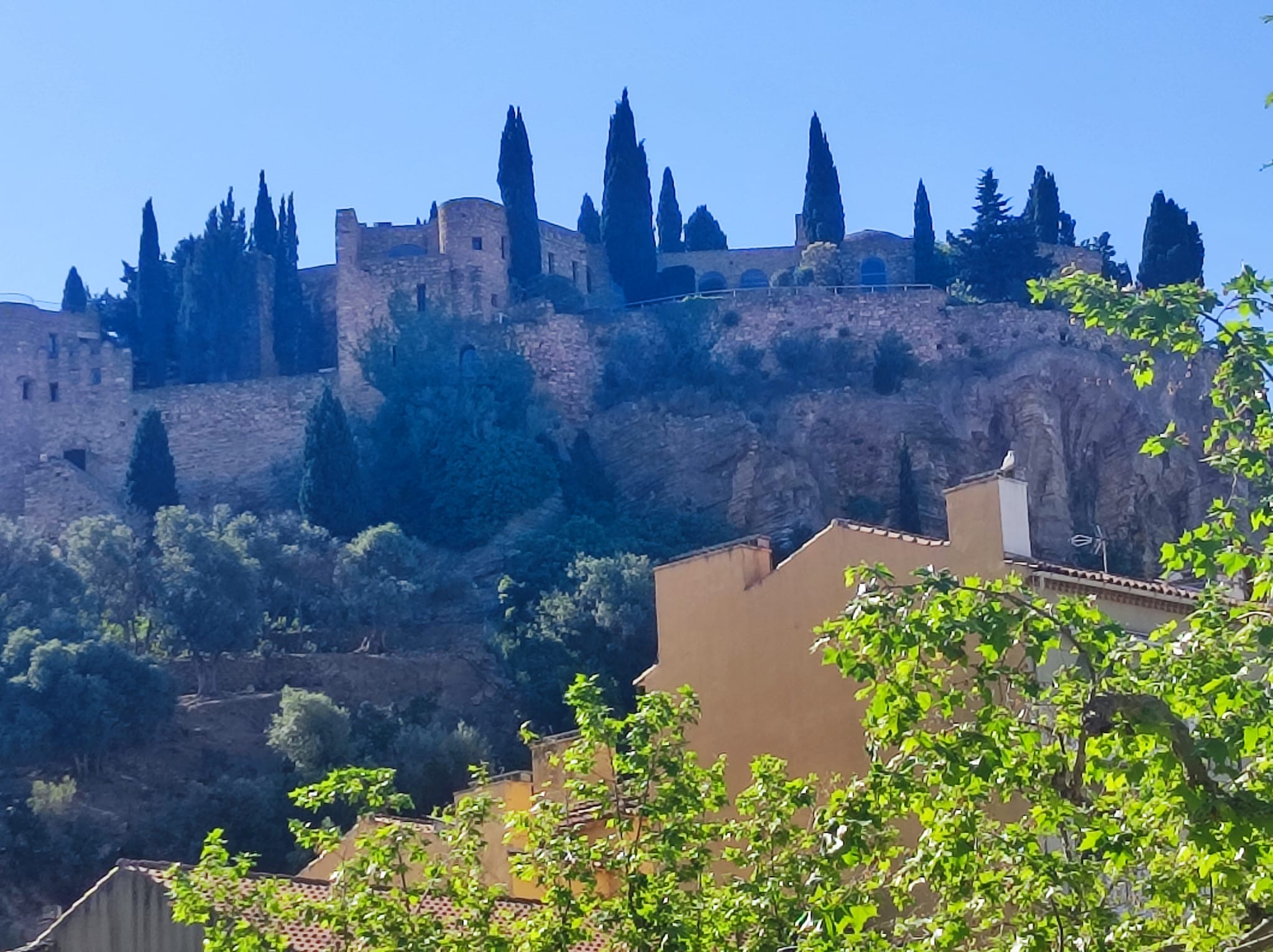
We have already mentioned some of the Luberon’s most beautiful villages, but Les Baux-de-Provence easily deserves a place on this list too. Perched on a rocky spur, the medieval village and its citadel overlook the Alpilles and offer one of the most striking settings in Provence. Just below, the Carrières des Lumières host large-scale immersive exhibitions dedicated to major artists.
It is also worth making time for the Alpilles landscape around the village. Limestone ridges, vineyards and olive groves give this part of Provence a much drier, rockier character than the Luberon. Olive growing is particularly important here. The Vallée des Baux-de-Provence has its own protected designation for olive oil and table olives, alongside the local AOP Les Baux-de-Provence wine appellation. If you have time, combining the village with a stop at an olive mill or wine estate is a good way to experience more of the Alpilles than the citadel alone.
More ideas for your stay
Find inspiration, practical advices and ideas to make the most of your time in Provence.