

3 Days in Marseille: Best Things to Do, See and Explore
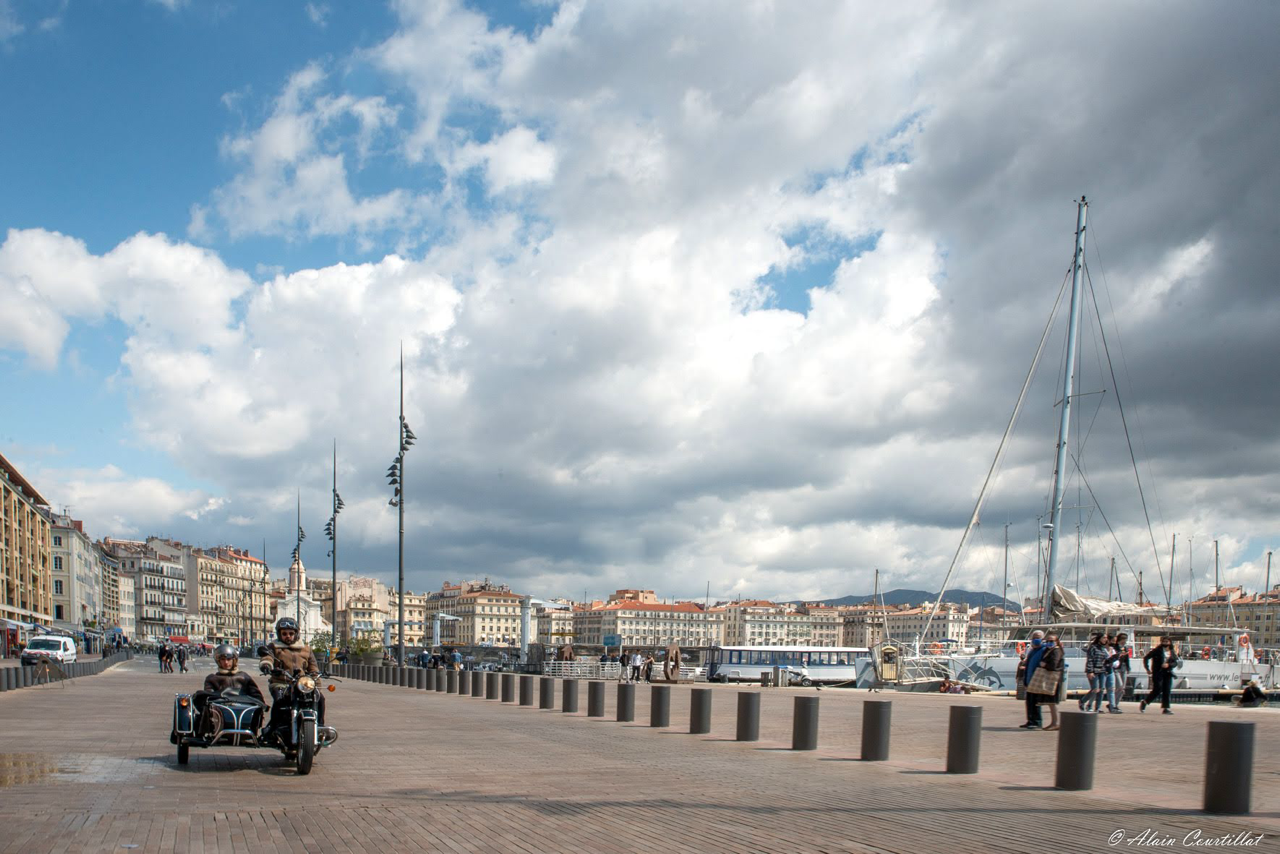
We would always encourage you to stay longer in this part of Provence, but three days in Marseille is a good start. At La Belle Échappée, what keeps drawing us back is the city’s rhythm: the Old Port in the early morning, the climb toward Notre-Dame de la Garde, the road out to Cassis, the vineyards beyond the coast, and the limestone cliffs seen from the water. This itinerary is designed to help you make the most of three days here in Marseille without rushing from one stop to the next.
Day 1: Marseille at street level, then from above
For your first day in Marseille, you can stay close to the city centre and get a feel for its rhythm. You can see a lot without rushing: the harbour early in the morning, the old streets of Le Panier, a slower local moment in the afternoon, then the view from Notre-Dame de la Garde to end the day.
Vieux-Port and Le Panier district
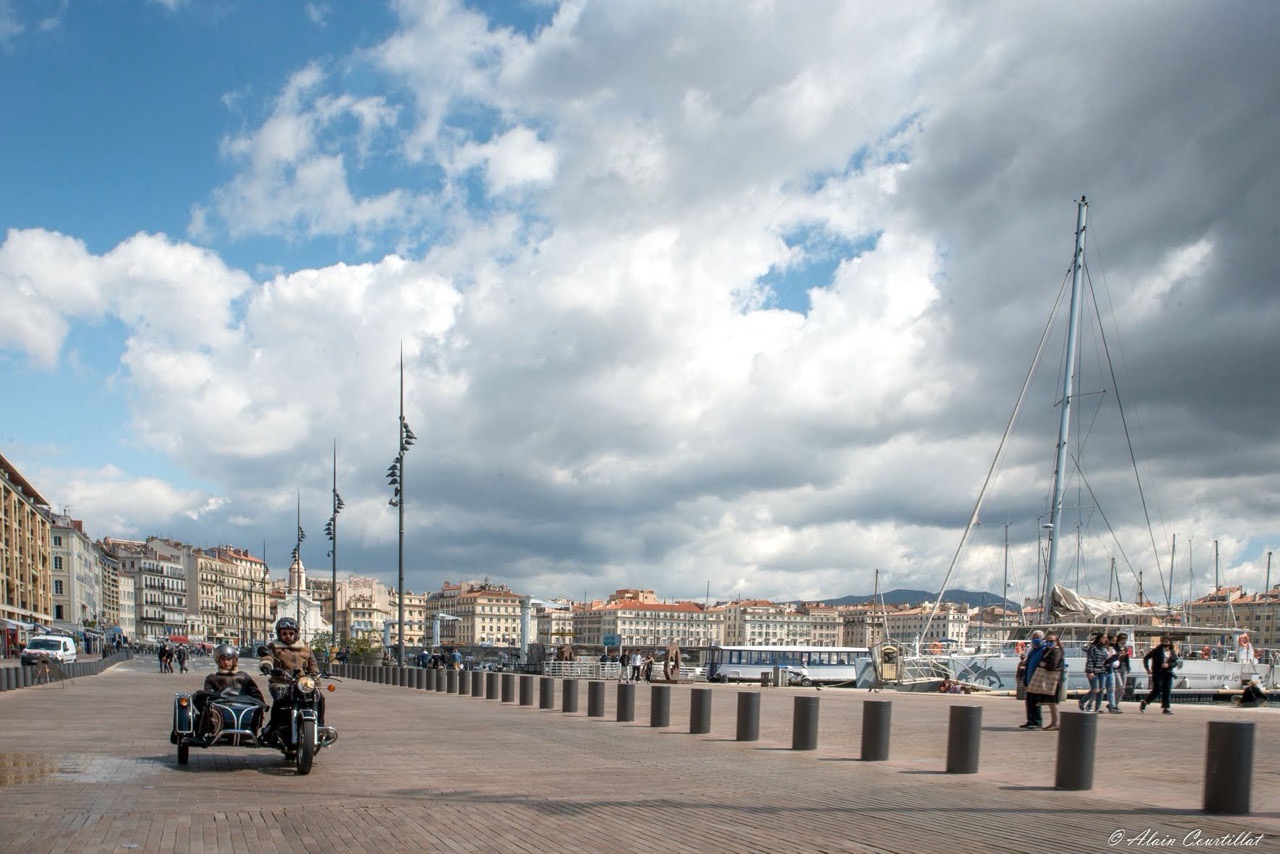
Start early at the Vieux-Port. Around 8 a.m., the fish market begins, and this is when the harbour still feels most like itself. Fishermen lay out the morning catch, locals stop by to see what came in, and the port has not yet slipped into its daytime rhythm.
From there, walk up into Le Panier, Marseille’s oldest district. This is not a neighbourhood to overplan. The best way to see it is to let yourself drift a little. Take the smaller streets, look into the side alleys, and stop whenever a shopfront or café catches your attention. There is plenty to see here but these are two stops worth making in Le Panier:
- Les Navettes des Accoules, to pick up a few navettes, the traditional Marseille biscuits scented with orange blossom. They travel well, make a far better souvenir than most things sold around the port, and add a small but very local note to the morning.
- La Boule Bleue, part shop, part small museum, dedicated to one of Marseille’s most beloved rituals: pétanque.
Visit Mucem Museum and its surroundings
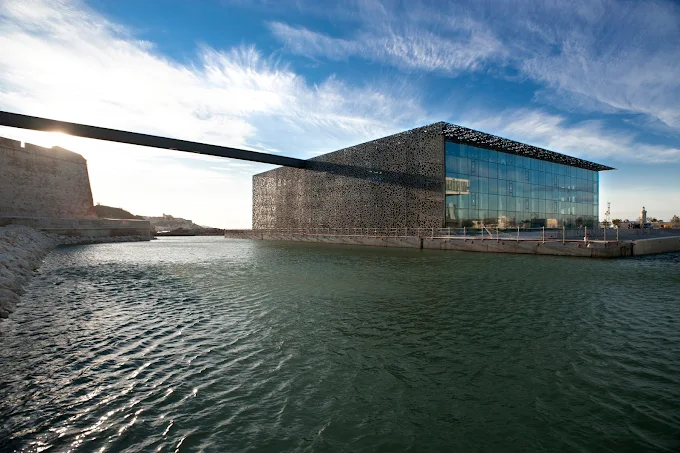
From Le Panier, continue toward the Mucem. Even if you are not in the mood for a full museum visit, this is still worth the stop. The site itself gives you breathing room after the tighter streets of the old town. Stone, sea air, open views, the footbridge, Fort Saint-Jean just beyond. The whole area lets the city open up a little.
This is one of the best places in central Marseille to slow the pace without losing the thread of the day. You can go inside if the exhibitions appeal to you, or simply take in the setting and move on. Either way, it helps connect two sides of Marseille that sit side by side all the time: dense and urban on one hand, open and maritime on the other.
Play pétanque in the afternoon
You may have already had a first glimpse of Marseille’s pétanque culture in the morning at La Boule Bleue. Now is a good moment to try it for yourself.
By mid-afternoon, especially in warmer months, Marseille slows down a little. This is a good time to do the same. Rather than pushing through another long walk in the heat, take a quieter detour and play a few rounds of pétanque.
More than an activity, it is a way into the city’s everyday rhythm. The gestures are measured, the pace is unhurried, and even if you do not play seriously, you quickly understand why this belongs here. You can play casually on your own or book an initiation. In Marseille, local life is also made of these slower moments, when people settle into the shade and let the afternoon stretch.
Up to Notre-Dame de la Garde
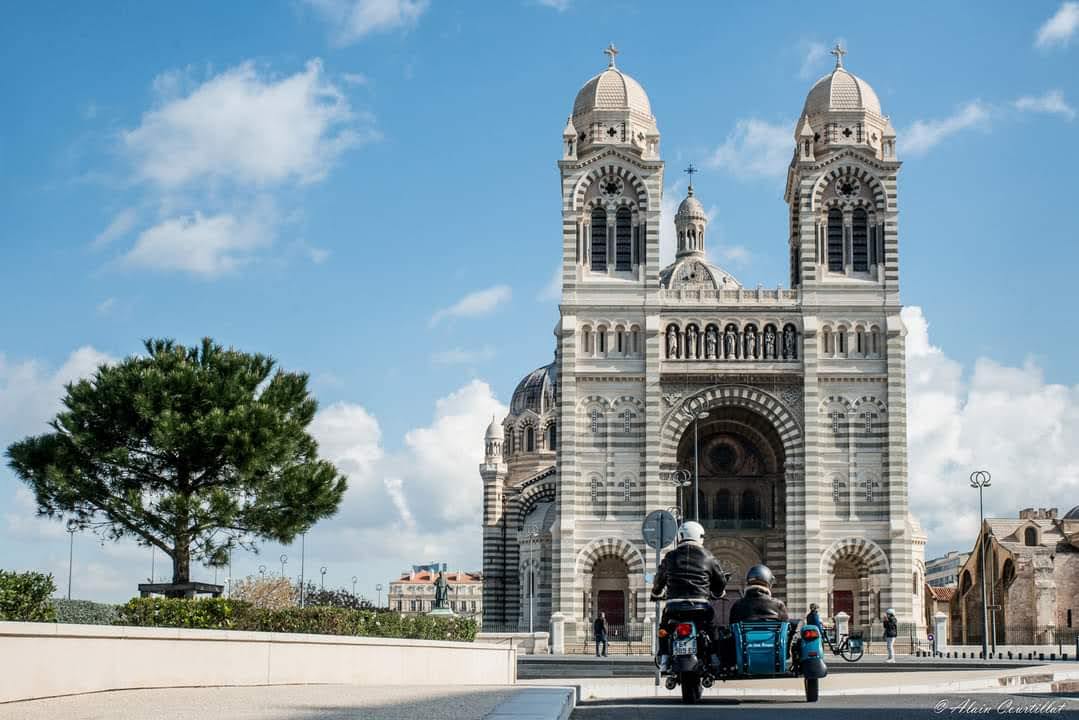
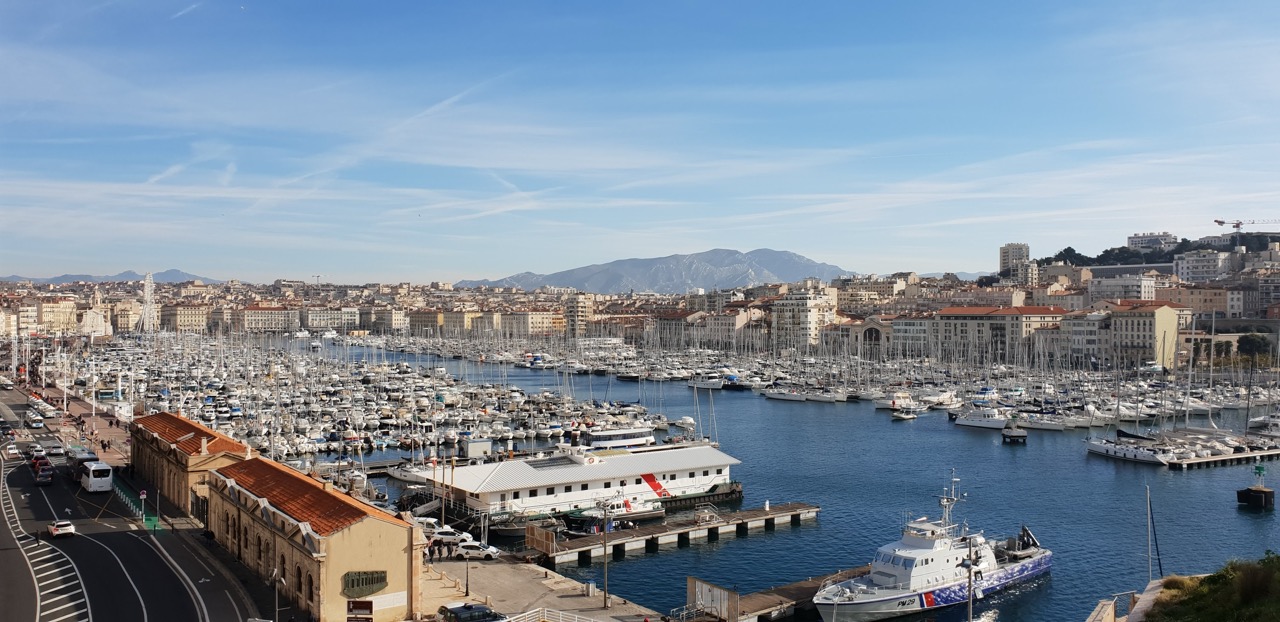
By late afternoon, head up to Notre-Dame de la Garde. After spending the day at street level, this is where Marseille suddenly becomes easier to read. From up there, you see how the city folds around its port, how the sea meets the stone, and how the neighbourhoods spread toward the hills.
For a drink with a view after the climb, Le Bon Air is a good stop just below the basilica. It overlooks the city, the port and the sea.
You can go up under your own steam, but it is also the kind of stop that works particularly well as part of a broader city ride. Our 2-hour Marseille side-car tour includes Notre-Dame hill and makes it easy to see more of the city without spending the whole day climbing or navigating between neighbourhoods. It is a natural fit if you want a fuller overview of Marseille while keeping the day light.
Dinner: bouillabaisse, once and properly
For dinner, this is the moment for one of Marseille’s specialties: bouillabaisse. Not squeezed into the middle of the day, and not treated as a quick item to tick off. In Marseille, bouillabaisse still carries weight. When it is done properly, it is generous, slow, and closely tied to the city’s fishing history.
For a traditional version, Chez Michel remains one of the classic names. The restaurant presents itself as a bouillabaisse specialist since 1946, run by the Visciano family across three generations, with the fourth generation on the way.
Day 2: Scenic roads, villages and wines
This second day works well whether you are travelling on your own or joining us aboard a side-car for a stylish wine day tour from Marseille. The idea is not to rush from one stop to the next, but to let the landscape shift gradually: the city falling away behind you, the sea opening up, then the vineyards further inland before returning to Marseille for apéro.
Take the coastal road south of Marseille
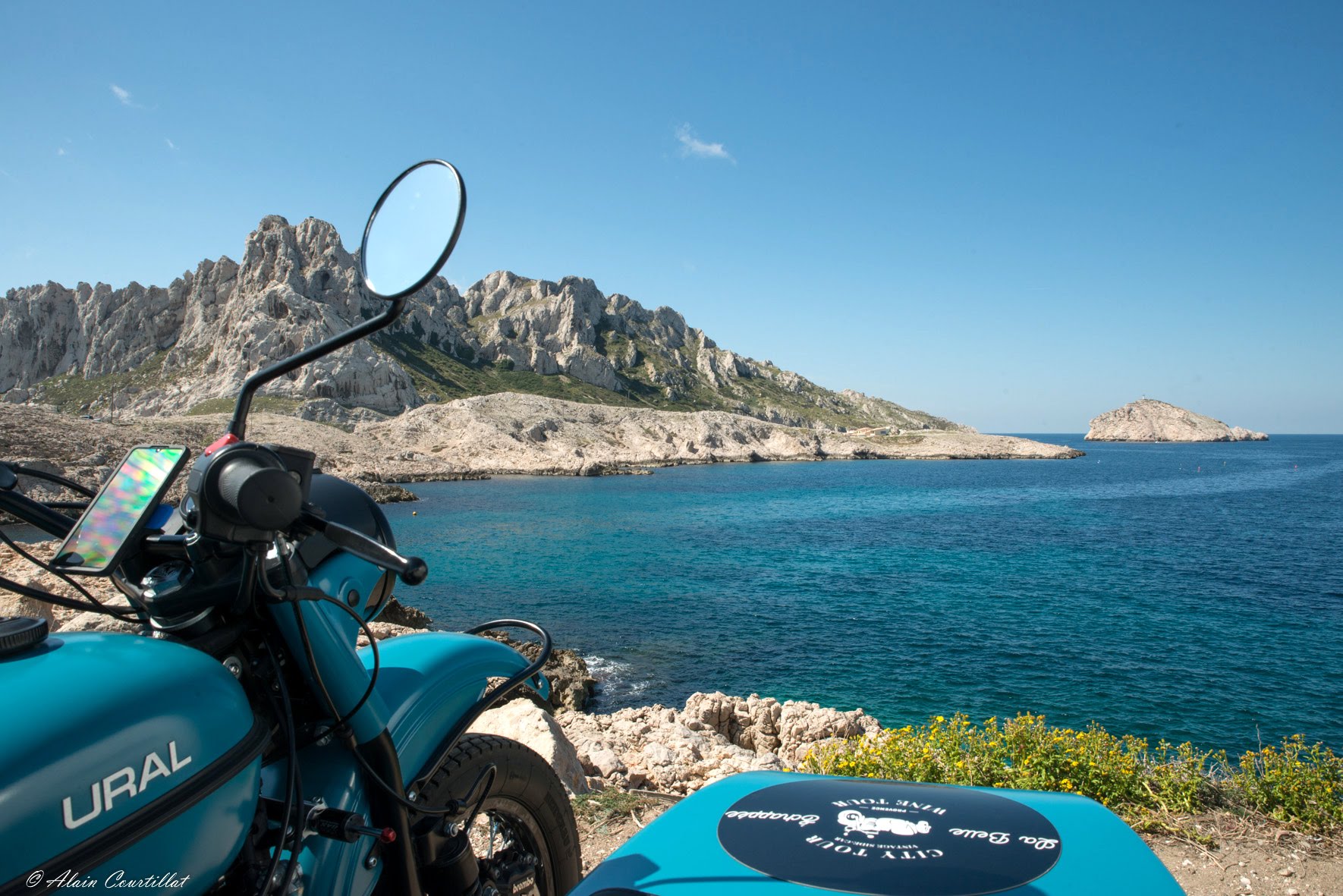
Leave Marseille in the morning and follow the road south toward the sea. A stop in Les Goudes works especially well here. This former fishing village, tucked at the southern edge of Marseille near the Calanques, still feels slightly apart from the rest of the city. It is a good place to pull over, look at the small harbour, and take in a more rugged side of the Marseille coastline. If you happen to be there around lunchtime, Le Grand Bar des Goudes is a solid address by the water. The restaurant traces its history back to 1920, and its menu highlights seafood and fresh products selected each morning.
Wander through Cassis village
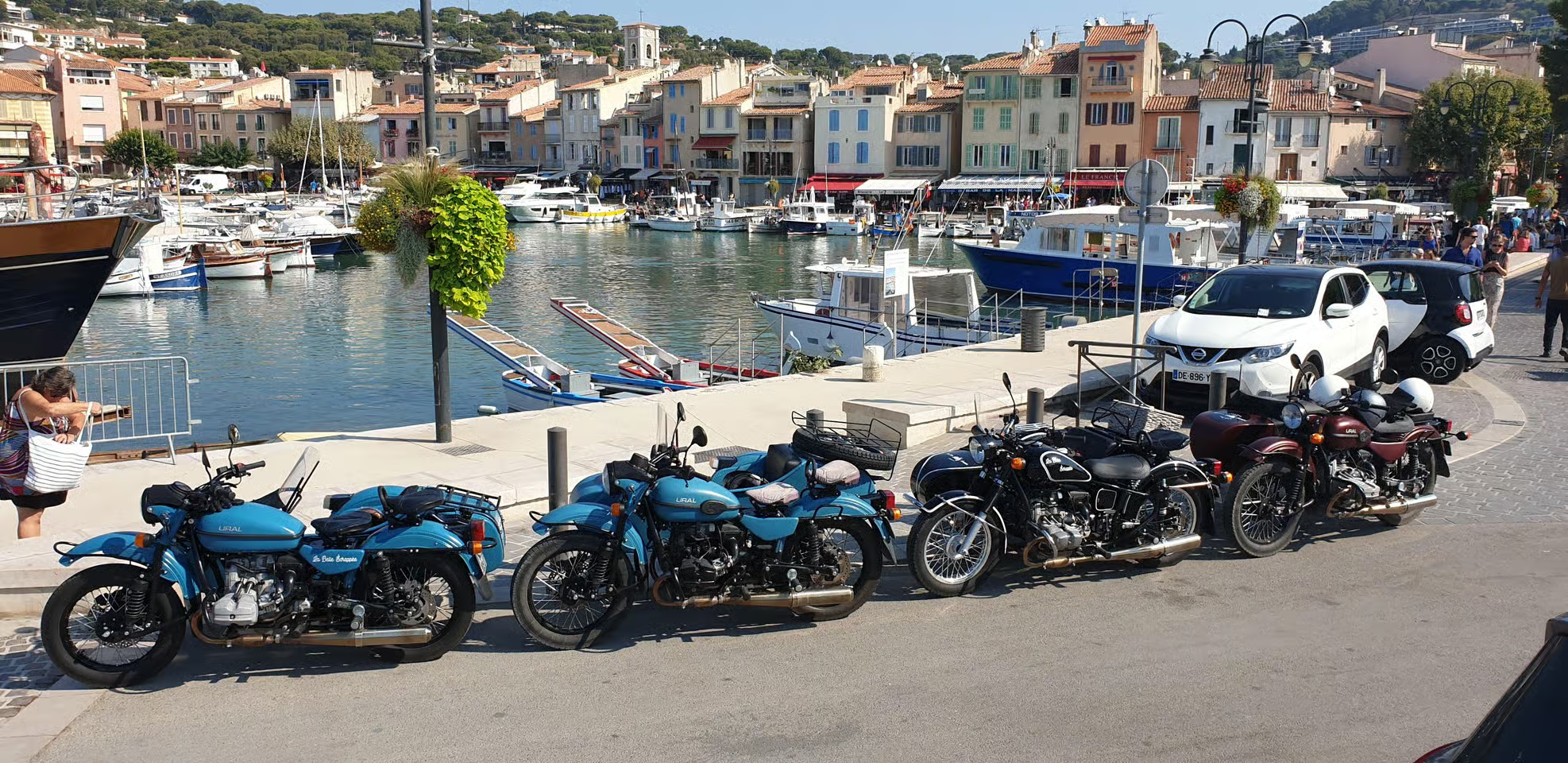
From there, continue on to Cassis. The village is no secret, but it still earns its place in a three-day Marseille itinerary because the mood changes so clearly once you arrive. The harbour is smaller than Marseille's, with cafés spilling onto the waterfront and pastel facades gathered around the port.
This is not a stop that needs much structure. Walk along the harbour, take a few side streets, browse the small shops, and let the village set the tone. Cassis works best when you do not overcomplicate it. It is a place for a slower stroll, a coffee, a look at the boats, and a bit of time spent doing very little.
Head inland for a wine tasting

After the sea and the harbour light, you move into vineyard country, with a drier landscape, more open roads, a quieter rhythm.
At La Belle Échappée, one of our favourite stops for Provence wine tastings during our side-car tour is Domaine de La Bégude. The estate sits at the highest point of the Bandol appellation, at 427 metres above sea level, and is surrounded by 517 hectares of preserved natural land. Visits are by appointment, and the setting gives the tasting as much character as the wines themselves.
Back to Marseille for drinks
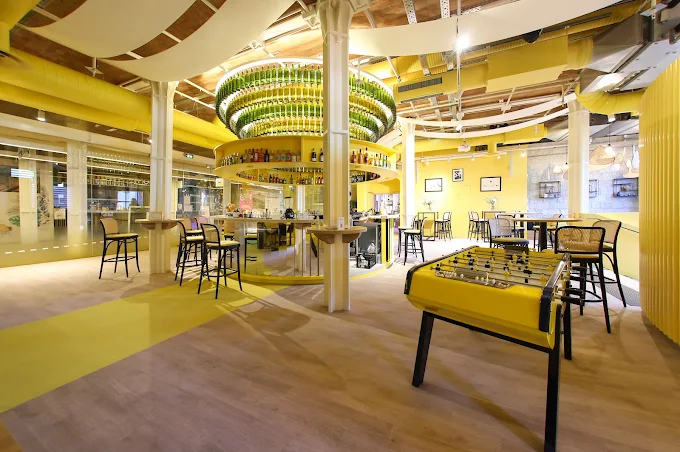
By the end of the day, head back to Marseille and stay with the drinks theme a little longer. Maison Yellow, at Les Docks, makes a good final stop. The place is built around one of Marseille’s most typical aperitif flavours, aniseed, and combines bar, restaurant and cultural space in one address. Their bar also leans into cocktails, tapas and afterwork drinks, which makes it a great place to land after time on the road.
Day 3: Marseille Calanques from the sea
For your third day in Marseille, leave the streets behind and head out onto the water. It is a day to see the coastline from another perspective: limestone cliffs, hidden inlets, islands, forts, and the city pulling back into view from the sea. Depending on your pace and budget, different options are available.
Option 1: A private boat trip for a slower, more exclusive day
If you are travelling as a group and want this final day to feel spacious and unhurried, a private boat trip is the most elegant option. The coastline feels different this way: quieter, more flexible and more personal. You can linger a little longer, swim when conditions allow, and let the day unfold without watching the clock too closely.
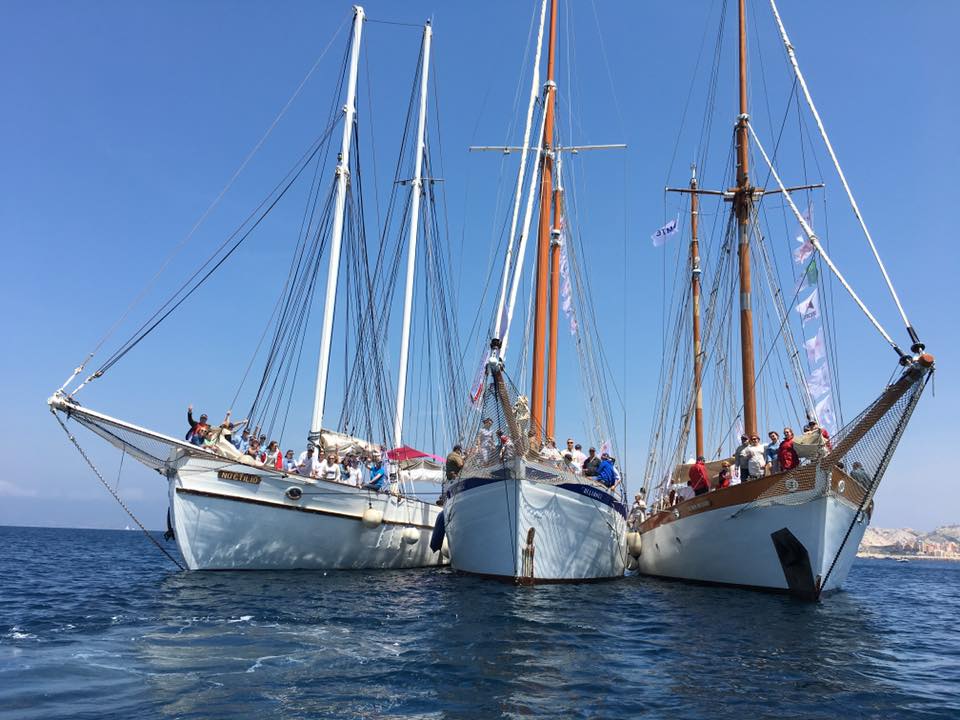
Noctilio offers private cruises from Marseille aboard a beautiful sailing boat. You can choose between a full-day trip and a sunset cruise with dining options. They also offer longer escapes over a weekend or even a full week, though that may be one for your next trip to our beautiful region.
Option 2: A small-group boat trip
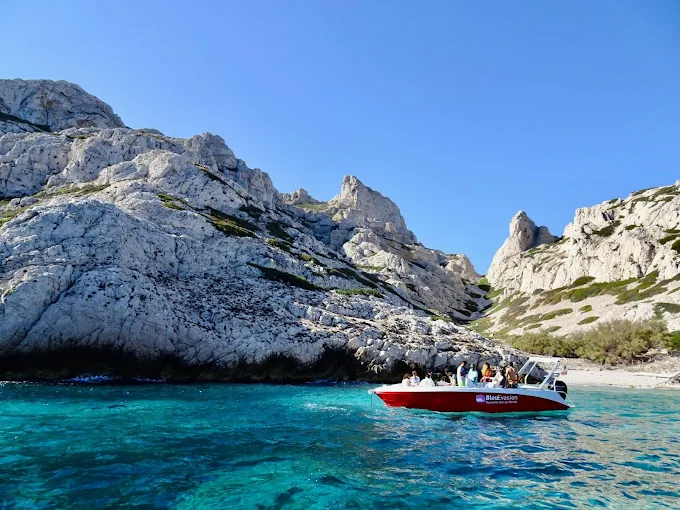
If you want to spend the day on the water for a more affordable budget, a small-group boat trip is a very good middle ground. You still get that shift in perspective that makes Marseille so striking from the sea: the city falling back behind you, the limestone cliffs ahead, the islands and forts appearing one after another along the coast.
It is a gentle way to experience the Calanques and the bay of Marseille, with enough time to enjoy the views, the light on the rock, and often a swimming stop along the way. Bleu Evasion is one of the local names to look at for this kind of outing, with small-group tours around the Calanques, Frioul and Château d’If.
Option 3: A guided kayak outing for a more active day
For a more physical and immersive version of the coastline, go by kayak. This is the option for travellers who want to be closer to the rock, the water and the quieter edges of the Calanques. The feeling is completely different from a boat trip. You move more slowly, hear more, and notice details you would miss from a motorboat. You can rent a kayak on your own or choose a guided half-day kayak tour in the Calanques de Cassis.
In three days, Marseille begins to make sense in layers. First at street level, then on the road, then from the water. You will leave with something better than a checklist: a real feel for the place, and most likely the wish to come back.
More ideas for your stay
Find inspiration, practical advices and ideas to make the most of your time in Provence.



.jpg)
